VR simulations on live twins
Use live sensor state as the starting condition for a what-if stress run.
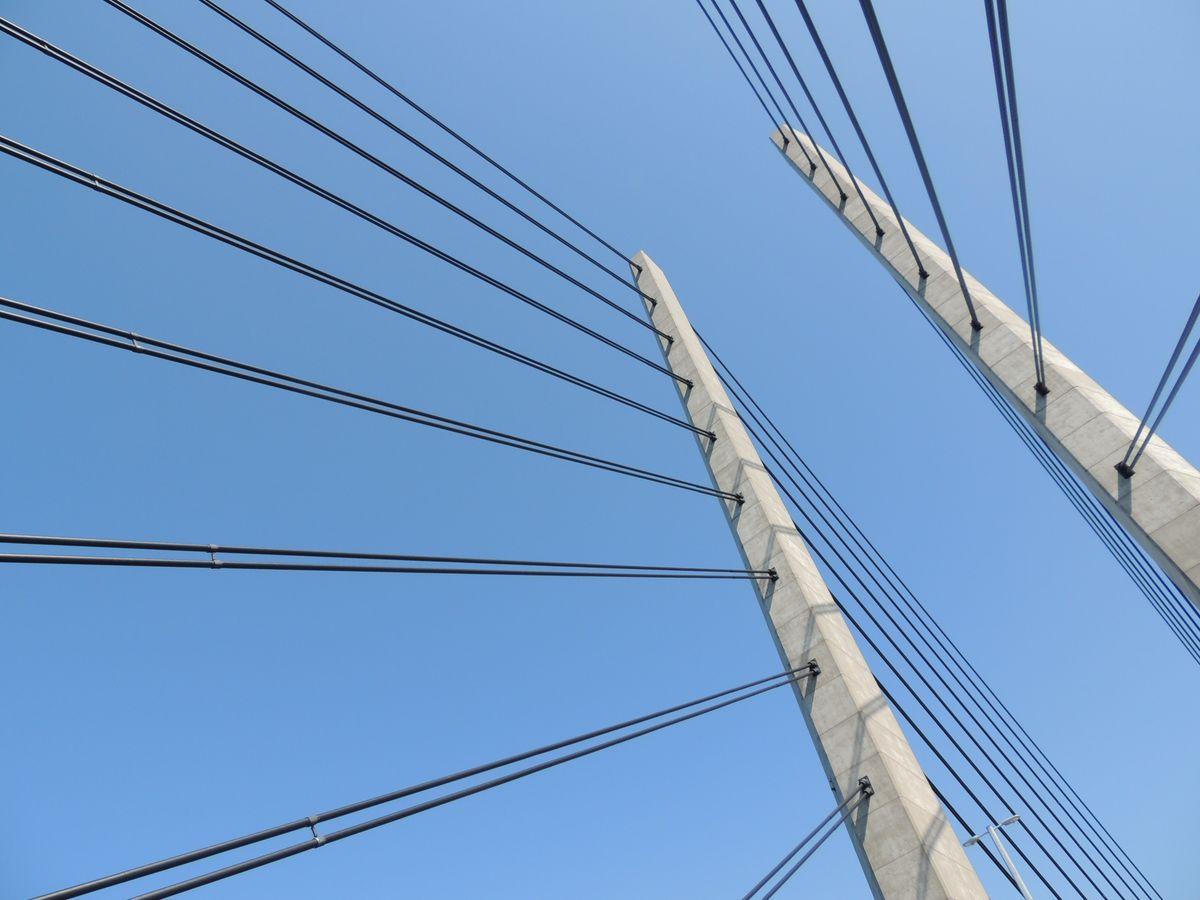
The monitoring twin can also run hypothetical stress cases, such as a bridge load, feeder trip, or pump starvation. Live sensor data supplies the starting condition rather than an untouched design assumption. Structural-health twins have already combined load cells, strain gauges, accelerometers, and seismic sensors on a live 3D model.
How the model is built, connected, and used on shift.
Stream
Live sensor input keeps the behaviour model aligned with the asset's current condition rather than its original design state.
Perturb
Apply the what-if: extra load, a component failure, a weather event, a switching operation.
Observe
The 3D twin shows stress and response in real time, in VR or on a standard screen, so engineers can see where margin is being consumed.
Decide
Engineers review the result before using it to revise alert thresholds or maintenance plans.
Where the model changes an operating task.
Estimate margin before the monsoon
Run flood loading or peak-traffic cases against the bridge's measured current condition before the seasonal risk arrives.
Rehearse the switching plan
Test feeder trips and load transfers virtually before approving the maintenance-window sequence.
Evidence-based risk decisions
Stress results grounded in real sensor data support premium negotiations and defer-or-repair calls with something stronger than engineering judgment alone.
Want this at your site?
Bring the asset, procedure, and failure scenario. We will map what must be modelled and which live signals matter.