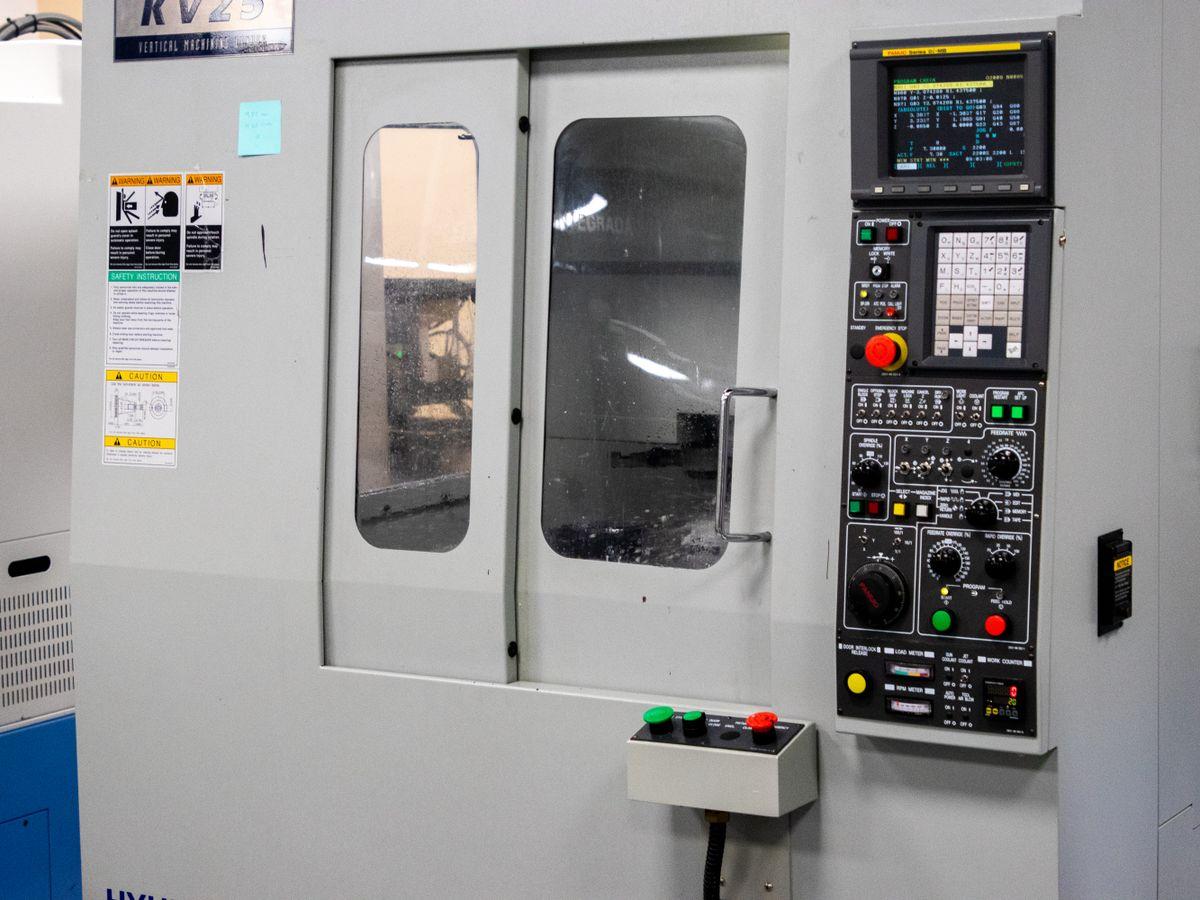
Customer experience
Customers see equipment health, reports, and service status without calling for every answer.
InfiIoT connects device identity, field data, fleet operations, updates, and service workflows around the equipment you already build—so the result survives production, not just the demo.
The commercial shift
Connected-product engineering changes more than where data goes. It changes what customers can rely on, what support can see, and what the OEM can improve after delivery.
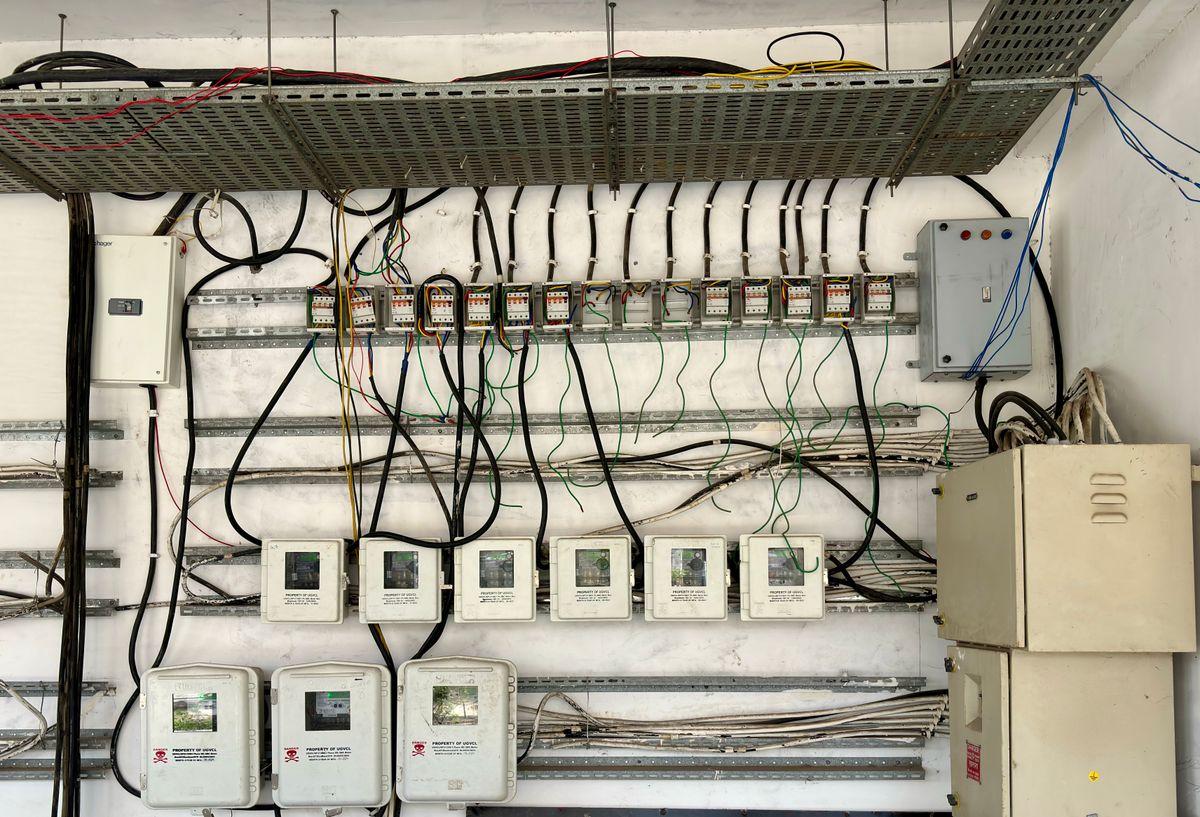
Customers see equipment health, reports, and service status without calling for every answer.
Support sees the unit, its history, what changed, and the next safe action.
Engineering sees field behavior by model, cohort, firmware, environment, and lifecycle stage.
The OEM can package monitoring, uptime, optimization, and compliance as an ongoing service.
One digital thread
Select a lifecycle moment. The same product record connects factory truth, field behavior, fleet decisions, and customer support.
Model variants, firmware, calibration, certificates, and configuration before the first unit leaves the factory.
Serial 7F-2041 · FW 3.8.2 · calibration valid
The connected-product architecture
Explore each layer. InfiIoT designs the handoffs together so hardware, connectivity, cloud, workflow, and support do not become separate failure domains.
Provisioning, credentials, configuration, calibration context, firmware state, and a durable asset identity.
Built for the bad day
Choose a field failure. The point is not that problems disappear; it is that the connected product has a designed response, an owner, and proof of recovery.
The unit keeps useful work local. When coverage returns, timestamps and sequence are reconciled before dashboards or billing are updated.
Where this starts
The first GTM wedge stays deliberate: equipment categories where the service outcome can be tied to existing technical proof.
The Connected Product Blueprint maps the equipment, data path, workflows, lifecycle risks, owners, and first bounded pilot—then ends with proceed, rework, or stop.
Questions from OEM teams
The strongest fit is an industrial equipment company with a repeatable product, an installed or planned fleet, and a service or product team that needs remote visibility, faster diagnosis, or a recurring connected service.
Usually not. InfiIoT starts from the equipment, interfaces, control boundaries, and service systems already in place, then adds only the device, data, and workflow responsibilities needed for the connected product.
Yes. Shared cloud, dedicated infrastructure, and on-premises deployment can be evaluated. Data residency, access, operating ownership, and exit rights are defined before the pilot.
The Connected Product Blueprint is a paid, two-week engagement that maps the system, identifies risks and owners, and defines a bounded pilot with a proceed, rework, or stop decision.
Use 30 minutes to test the fit around one product and one blocked decision. If there is a fit, we will outline the two-week Product Blueprint.